

Pellet Stoves For RVs Vs Wood Stoves
RVs are an excellent way to spend time camping, however they can be chilly at night. You'll require a reliable source of heat. Two options that are popular are wood stoves and pellet stoves. Both have advantages, but the right one is dependent on your specific needs and preferences.
Pellet stoves use biomass that is renewable, made of recycled sawdust and wood chips. They are extremely efficient, and provide constant heat. They are simple to use, and they do not emit harmful emissions.
Heating that is economical
Pellet stoves can be a fantastic alternative to propane heaters. They burn a renewable biomass fuel, and have a high combustion efficiency that can save you money over the long term. They also use less electricity, reducing the carbon footprint and energy consumption. Furthermore, pellet stoves feature an incredibly compact design and can be used with any propane tank. This makes them a great choice for people who want to avoid the hassle of refilling and storing propane tanks.
The ability of stoves to heat large areas is one of its most significant features. A good stove can provide heat to an entire camper or motorhome. The best RV pellet stoves provide up to 8, 000 BTUs of warmth enough to keep you warm during your camping trip. Certain models come with programmable thermostats that automatically turn off and on the stove based on your schedule. They can also alert you when the pellets are low or require cleaning.
Wood and pellet stoves are two popular choices for RVs, and both offer great heating performance. They are also economical and can be used in many different climates. Before you make a decision you must know the differences between these two types of stoves.
Wood stoves utilize firewood as fuel, and it must be stored and carefully collected. This could be a challenge for those who travel in remote areas. In addition, wood can absorb moisture from the air, which can cause problems for the interior of your RV. Online retailers offer a broad range of wood-composed logs that are pressed, which you can use in your stove for your RV. These logs allow you to focus on your trip instead of refueling.
Convenient cooking
If you are a camper who loves cooking, you'll appreciate the convenience of cooking with a pellet stove. These stoves are designed to extract the greatest amount of heat from the fuel, leading to high energy efficiency and low heating costs. They also have automatic pellet feeding systems as well as thermostatic controls that ensure the same temperature settings. You can also use them in an emergency or during an outage to serve as a backup heating source.
Wood stoves are a popular option when RV camping. They provide a traditional and comfortable camping experience, and are a great option for boondocking (camping without hookups). However, they require constant attention and regular cleaning of creosote and ashes build-up. They also rely on firewood which can be costly in remote areas and difficult to find. They also require proper ventilation to avoid the buildup of carbon monoxide or smoke inside the camper.
Pellet stoves provide the same heating capabilities as wood stoves and require less maintenance. They are also less expensive than gas heaters and produce fewer ash and particulates. Pellet stoves are also more eco green than wood stoves since they are essentially carbon-neutral energy source.
Pellet stoves may be more practical than wood-burning stoves however, they still require power from an electrical source. The stove won't function properly if your electricity fails. This could lead to an emergency situation. To ensure your security and comfort it's a good idea to have an emergency generator or plan for power outages. Fortunately, most pellet and wood stoves are equipped with battery-backup systems or manual ignition options to help prevent these issues.
Versatile
Wood pellet stoves are a great option for RVs since they are cost-effective and efficient in heating, as well as a cozy ambience. They can also be utilized as a backup in the event of power failure. best rated pellet stoves come with a battery back-up system to ensure that the stove is operating for a long time. Additionally pellet stoves are simple to operate and require little maintenance. However, it's important to note that they require proper installation and ventilation.
Pellet stoves produce a clean and odorless heat, in contrast to propane stoves that emit gases and moisture. They are also more efficient than traditional wood stoves and generate more heat at a faster rate. Besides offering heat they can also be used to cook food, which can turn your RV into a fully functional kitchen. This feature is particularly useful in remote locations and can help you save money on eating out.
Pellet stoves are not only more economical but also safer than gas and electric models. The pellet stoves also emit less smoke, reducing the chance of fire and indoor air pollution. It is important to be aware that they require electricity to run their automatic ignition systems as well as pellet feed systems. They also may require more frequent refills of pellets than gas stoves.
Before installing wood stoves in your RV, take into consideration some of the factors and limitations. For instance, you'll need to keep the wood supply nearby and ensure that the RV has enough storage space to accommodate the hopper of the stove. Wood stoves can also cause ceilings and walls to warp or blister. To avoid this, you should consider getting an oven with an insulation layer or surface-protection kit.
Compact
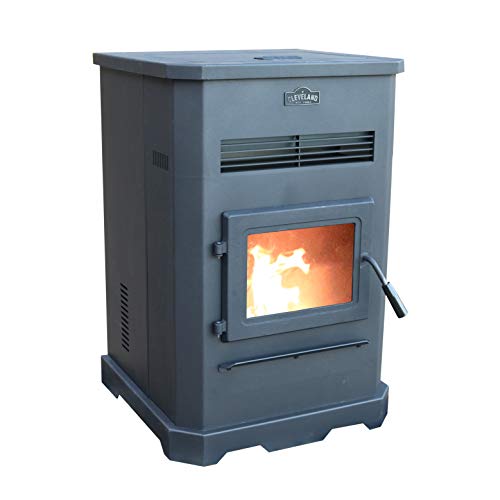
Pellet stoves can be used easily and are compact. They are ideal for RVs since they feature a powerful output and an efficient combustion process. They also provide heat in a uniform way that ensures an enjoyable camping experience. You can easily control the amount of heat you wish to produce and keep the same temperature. The SoloWilder PIKE Camping pellet stove, for example has a robust construction and a well-designed heating system that makes it a fantastic option for campers.
The pellets are put in the fuel hopper before being fed into the burner pot with an auger. They are typically made from compressed sawdust and wood byproducts however some stoves will also accept other types of biomass, like kernels of corn or nutshells. The fuel is dense, which helps it burn more hot and cleaner, reducing waste and smoke emissions. These stoves have high energy efficiency, ranging from 70 to 83 percent.
Most pellet stoves are low maintenance and operate more easily and light than traditional wood stoves. They can be noisy and they require a location to store pellets that are dry and cool. They are also electric and require electricity (not suitable for camping off-grid). If you're thinking about a pellet stove, make sure to select one that has received an energy-efficiency certification.
Pellet stoves are more expensive and require more storage space than traditional wood-burning fireplace places. The pellet bags are costly and can consume 40 pounds of pellets per day. Additionally they require electricity, and may use up the battery that you have as a backup.
Safety
Pellet stoves allow you to enjoy a warm fire in your RV without the need to store or haul firewood. They also produce less smoke and ash than wood stoves, and they are easier to light. They also provide a warm and comfortable atmosphere. It is important to be aware of the health risks involved when using a pellet stove. For those with respiratory issues or children, as well as older adults should be extra cautious before using a pellet stove.
The majority of models have an electronic control system that will automatically feed pellets into the combustion chamber and allows them to burn at the speed you want. Many of these stoves have a programmable thermostat to maintain the right heating level. They also come with an automatic cleaning system which suctions up the accumulated ash or clinker.
However, despite these advanced features, a pellet stove requires electricity and ventilation to run. This means that it could not function in the event of a power failure. In these situations, you should have a backup plan, like a generator, for your heating needs.
Another concern about pellet stoves is the combustion process that releases toxins and carbon monoxide into the air. This is a serious problem for people suffering from chronic respiratory diseases such as COPD or asthma. This is why it is crucial to invest in carbon monoxide detectors, and to place them in your home. They should be installed near bedrooms and on all levels of the home, and they should be tested regularly.
Pellet stoves can be an excellent option for camping, particularly in areas that experience harsh winter weather. They are inexpensive and simple to operate, however they do require a power source to operate. If you are planning to camp off-grid you must ensure that you have enough wood to fuel your stove.